


#1 ·
Honestly, if you look at the history of music, you won't find another group that captured that specific vibe of sunshine, endless summer fun, and the messy process of growing up quite like The Beach Boys did. They basically wrote the sonic blueprint for the California coast. They provided the soundtrack for an entire generation of Americans navigating that incredibly turbulent transition from childhood into adulthood during the sixties. Throughout that decade and beyond, The Beach Boys were essentially channeling the collective dreams, anxieties, and hopes of young people all across the United States.
The whole thing really kicked off when the Wilson brothers formed the core of the band: Brian (1942–), who was the songwriting powerhouse playing bass, Carl (1946–1998) on guitar, and Dennis (1944–1983) holding it down on drums. Then Al Jardine (1942–) joined on guitar, and their cousin Mike Love (1941–) came on board as a vocalist back in 1961.
By 1962, they had signed a deal with Capitol Records, and man, for the next four years, they just churned out hit after hit without stopping. You had tracks like "Surfin' U.S.A.," "Little Surfer Girl," and "Catch a Wave" which perfectly encapsulated that pure beach party essence. Then you had songs like "Little Deuce Coupe" and "409" celebrating that classic American teenage obsession with cars. When you listen to "Good Vibrations" or "California Girls," you’re really hearing the warmth and the lifestyle of Southern California in the sixties. But as their sound started to evolve and get more complex, The Beach Boys also began tapping into the actual growing pains of life with songs like "In My Room" and "Don't Worry Baby."
By the end of 1963, The Beach Boys had already recorded three albums, landed countless top-ten hits, and were basically unstoppable on tour. On top of all that, Brian was starting to really find his footing as a producer, something you can clearly hear on their third album, Surfer Girl. Riding that massive wave of popularity, their 1964 Concert album actually sat at the top of the charts for four weeks—which was pretty wild since it was only one of five Beach Boys albums on the charts at once. The band even started doing promotional tours over in Europe, but the constant pressure and the grueling schedules were just too much for Brian. By the end of the year, he decided to step away from the road to focus entirely on production.
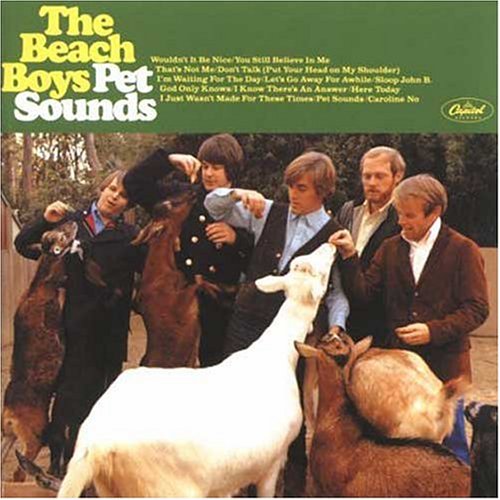
Then came 1966, when The Beach Boys released Pet Sounds, an album that most people—myself included—consider a total masterpiece of pop music. It was primarily the brainchild of the group's leader, Brian Wilson, and Pet Sounds is this deeply complex record with an expressive sound that captures that bittersweet ache of wanting to grow up while desperately trying to hold onto youthful innocence. While critics absolutely loved Pet Sounds, the general public wasn't quite ready for such a radical shift in musical style. So, through late 1966 and early 1967, Brian poured himself into the next project, originally titled Dumb Angel, which would eventually become Smile.
But things didn't stay smooth for long, and a rift soon opened up between Brian and the rest of the band. There was this tension where the others felt his use of marijuana and LSD was clouding his judgment, while he felt they were basically standing in the way of him breaking into the upcoming psychedelic era.
Moving into the late seventies, Dennis also started struggling heavily with drugs and alcohol, which meant some of their live shows were, frankly, a mess because members were showing up intoxicated or high. The group actually had to issue a public apology after a disastrous Concert in Sydney in 1979 where most of them were visibly drunk. Even though he struggled with drinking, Dennis still managed to pull off his first solo venture, Pacific Ocean Blue, before moving on to a new project called Bamboo.
On the Fourth of July in 1980, The Beach Boys performed a massive show at the National Mall in Washington, D.C., in front of huge crowds. They kept that tradition going for a couple of years, but then in 1983, Secretary of the Interior James Watt actually banned them from performing at the Mall because he thought rock music had a "negative" influence. Fortunately, by 1985, Nancy Reagan stepped in and smoothed things over, allowing them to return to the Mall. The last time The Beach Boys played there was back in 2005.
Dennis's personal struggles had been building since the early eighties, and tragically, in 1983, he passed away after drowning while trying to retrieve some items that had fallen off a boat while he was intoxicated.
Following the heartbreaking loss of Dennis Wilson, The Beach Boys pushed forward and actually managed to score a #1 hit in 1988 with "Kokomo," which ended up being their biggest seller.
Another tragedy struck the Wilson family in 1998 when Carl Wilson passed away from lung cancer. Nowadays, even though Johnston and Love still perform under the name "The Beach Boys," none of the original members are left in the lineup.
Inducted into the Rock and Roll Hall of Fame in 1988 and the Vocal Group Hall of Fame in 1998.
Original Members:
Brian Wilson (1942–present)
Carl Wilson (1946–1998)
Dennis Wilson (1944–1983)
Mike Love (1941–present)
Al Jardine (1942–present)
Bruce Johnston (1944–present)
Studio Albums:
Surfin' U.S.A. (1962)
Surfin' U.S.A. (1963)
Surfer Girl (1963)
Little Deuce Coupe (1963)
Shut Down Volume 2 (1964)
All Summer Long (1964)
The Beach Boys' Christmas Album (1964)
Today! (1965)
Summer Days (and Summer Nights!!) (1965)
Beach Boys' Party! (1965)
Pet Sounds (1966)
Smile (1967)
Wild Honey (1967)
Friends (1968)
20/20 (1969)
Sunflower (1970)
Surf's Up (1971)
Carl and the Passions - "So Tough" (1972)
Holland (1973)
15 Big Ones (1976)
Love You (1977)
M.I.U. Album (1978)
L.A. (Light Album) (1979)
Keepin' the Summer Alive (1980)
The Beach Boys (1985)
Still Cruisin' (1989)
Summer in Paradise (1992)
Stars and Stripes Vol. 1 (1996)


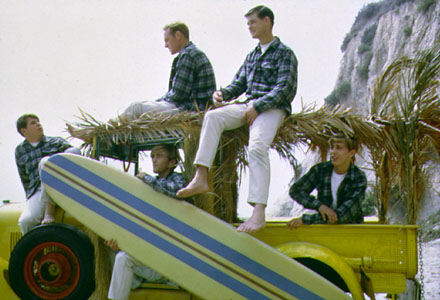
The whole thing really kicked off when the Wilson brothers formed the core of the band: Brian (1942–), who was the songwriting powerhouse playing bass, Carl (1946–1998) on guitar, and Dennis (1944–1983) holding it down on drums. Then Al Jardine (1942–) joined on guitar, and their cousin Mike Love (1941–) came on board as a vocalist back in 1961.
By 1962, they had signed a deal with Capitol Records, and man, for the next four years, they just churned out hit after hit without stopping. You had tracks like "Surfin' U.S.A.," "Little Surfer Girl," and "Catch a Wave" which perfectly encapsulated that pure beach party essence. Then you had songs like "Little Deuce Coupe" and "409" celebrating that classic American teenage obsession with cars. When you listen to "Good Vibrations" or "California Girls," you’re really hearing the warmth and the lifestyle of Southern California in the sixties. But as their sound started to evolve and get more complex, The Beach Boys also began tapping into the actual growing pains of life with songs like "In My Room" and "Don't Worry Baby."
By the end of 1963, The Beach Boys had already recorded three albums, landed countless top-ten hits, and were basically unstoppable on tour. On top of all that, Brian was starting to really find his footing as a producer, something you can clearly hear on their third album, Surfer Girl. Riding that massive wave of popularity, their 1964 Concert album actually sat at the top of the charts for four weeks—which was pretty wild since it was only one of five Beach Boys albums on the charts at once. The band even started doing promotional tours over in Europe, but the constant pressure and the grueling schedules were just too much for Brian. By the end of the year, he decided to step away from the road to focus entirely on production.
Then came 1966, when The Beach Boys released Pet Sounds, an album that most people—myself included—consider a total masterpiece of pop music. It was primarily the brainchild of the group's leader, Brian Wilson, and Pet Sounds is this deeply complex record with an expressive sound that captures that bittersweet ache of wanting to grow up while desperately trying to hold onto youthful innocence. While critics absolutely loved Pet Sounds, the general public wasn't quite ready for such a radical shift in musical style. So, through late 1966 and early 1967, Brian poured himself into the next project, originally titled Dumb Angel, which would eventually become Smile.
But things didn't stay smooth for long, and a rift soon opened up between Brian and the rest of the band. There was this tension where the others felt his use of marijuana and LSD was clouding his judgment, while he felt they were basically standing in the way of him breaking into the upcoming psychedelic era.
Moving into the late seventies, Dennis also started struggling heavily with drugs and alcohol, which meant some of their live shows were, frankly, a mess because members were showing up intoxicated or high. The group actually had to issue a public apology after a disastrous Concert in Sydney in 1979 where most of them were visibly drunk. Even though he struggled with drinking, Dennis still managed to pull off his first solo venture, Pacific Ocean Blue, before moving on to a new project called Bamboo.
On the Fourth of July in 1980, The Beach Boys performed a massive show at the National Mall in Washington, D.C., in front of huge crowds. They kept that tradition going for a couple of years, but then in 1983, Secretary of the Interior James Watt actually banned them from performing at the Mall because he thought rock music had a "negative" influence. Fortunately, by 1985, Nancy Reagan stepped in and smoothed things over, allowing them to return to the Mall. The last time The Beach Boys played there was back in 2005.
Dennis's personal struggles had been building since the early eighties, and tragically, in 1983, he passed away after drowning while trying to retrieve some items that had fallen off a boat while he was intoxicated.
Following the heartbreaking loss of Dennis Wilson, The Beach Boys pushed forward and actually managed to score a #1 hit in 1988 with "Kokomo," which ended up being their biggest seller.
Another tragedy struck the Wilson family in 1998 when Carl Wilson passed away from lung cancer. Nowadays, even though Johnston and Love still perform under the name "The Beach Boys," none of the original members are left in the lineup.
Inducted into the Rock and Roll Hall of Fame in 1988 and the Vocal Group Hall of Fame in 1998.
Original Members:
Brian Wilson (1942–present)
Carl Wilson (1946–1998)
Dennis Wilson (1944–1983)
Mike Love (1941–present)
Al Jardine (1942–present)
Bruce Johnston (1944–present)
Studio Albums:
Surfin' U.S.A. (1962)
Surfin' U.S.A. (1963)
Surfer Girl (1963)
Little Deuce Coupe (1963)
Shut Down Volume 2 (1964)
All Summer Long (1964)
The Beach Boys' Christmas Album (1964)
Today! (1965)
Summer Days (and Summer Nights!!) (1965)
Beach Boys' Party! (1965)
Pet Sounds (1966)
Smile (1967)
Wild Honey (1967)
Friends (1968)
20/20 (1969)
Sunflower (1970)
Surf's Up (1971)
Carl and the Passions - "So Tough" (1972)
Holland (1973)
15 Big Ones (1976)
Love You (1977)
M.I.U. Album (1978)
L.A. (Light Album) (1979)
Keepin' the Summer Alive (1980)
The Beach Boys (1985)
Still Cruisin' (1989)
Summer in Paradise (1992)
Stars and Stripes Vol. 1 (1996)
 ...yeah!