405 posts shown.
Reishi is honestly incredible. I mean, black seed oil is great and loaded with benefits too, but for me—personally—nothing hits quite like Reishi. It’s the way it works on my central nervous system that really stands out—it just seems to do wonders for my GABA and serotonin levels.
I’m telling you—it’s wild how much better I sleep when I stack Schillinger with KSM-66 Ashwagandha. It knocks me out cold. Also, if you're dealing with anything EBV-related, Reishi is easily one of the best supplements out there—honestly just as effective as a combo of quercetin and bromelain when you need a solid antihistamine hit.
For over two millennia, Reishi mushrooms—you know, Ganoderma Lucidum—have been held in this incredibly high regard by traditional practitioners in Asia as a powerhouse for healing. It’s basically legendary stuff.
They're used all over the place in traditional Chinese medicine—pretty much as a go-to for treating a huge range of different ailments.
Look, Reishi mushrooms are basically the GOAT of the medicinal plant world—seriously, they're legendary for a reason. They’ve got this unmatched healing power that just hits different, and the best part? You aren't dealing with any of those nasty side effects you get from other stuff. It’s just pure, effective wellness.
Finding Reishi out in the wild is actually pretty tough—like, really tough—so for the longest time, it was basically reserved for royalty and the ultra-wealthy in Asia. It stayed that way until the latter half of the 20th century when organized cultivation finally kicked off over in Japan, which is when this incredible mushroom finally became accessible to everyone else around the globe.
Back in the day, people in ancient China used to treat Reishi mushrooms like they were some kind of royal medicine—basically the go-to for kings and emperors.
Back in the day, Dr. Shi-Jean Lee—who was basically the go-to medical authority for the Ming dynasty—wrote this massive encyclopedia of medicinal herbs called *Bfan Chao Gang Moo*. In it, he made some pretty bold claims about Lingzhi mushrooms (you might know them as Ganoderma Lucidum), recommending them as a serious powerhouse for fighting off all sorts of different ailments.
He honestly pegged Reishi mushrooms as the absolute heavyweight champion of medicinal plants—putting them way ahead of even Ginseng—and here’s why he thought they were in a league of their own:
Look, this mushroom is totally non-toxic—you could honestly eat it every single day and wouldn't have to worry about any weird side effects hitting your system.
When you actually use it the right way—like, properly—it basically just resets your body to its natural baseline. It gets everything back in sync so all your organs can finally just do their jobs without any drama.
Immunomodulators — basically, they just help dial your immune system up or down to keep everything running smooth.
Honestly, if you ask me, the absolute biggest game-changer with Reishi mushrooms is how they kick your immune system into high gear—it’s easily their most powerful potential benefit.
So, Reishi—you know, *Ganoderma lucidum*—is actually packed with organic germanium, polysaccharides, and triterpenes. It’s not just hype, either—those active components are scientifically proven to give your immune system a serious boost.
So, according to traditional Chinese medicine—which, let's be honest, has some pretty deep roots—Ganoderma lucidum is basically a powerhouse for keeping everything running smoothly. It’s used to support the function of five major organs—we're talking the heart, lungs, liver, pancreas, and kidneys. Just a solid way to keep the whole system in check.
So, look—Ganoderma lucidum isn't just some random mushroom you find growing in the woods; it’s actually legit when it comes to supporting your body. We're talking about everything from respiratory and cardiovascular stuff to digestive, neurological, and even endocrine issues. It basically covers a massive range of ways to help keep your system running right.
Look, all these different ailments—and honestly, there are plenty more where those came from—are actually being tackled quite effectively by Ganoderma. It really comes down to its most important trick: that whole "rooting vitality" thing—basically, it just gives your immune system the massive boost it needs to function properly.
Honestly, Ganoderma mushrooms are a total game-changer for keeping your whole system in check—they basically help regulate your entire metabolism and make sure all your organs are actually firing on all cylinders.
So, I’ve been looking into how Ganoderma Lucidum—you know, that Reishi mushroom stuff—actually plays with tumors. It’s honestly pretty wild when you start digging into the science behind it. The basic idea is that these mushrooms aren't just some random health trend; they contain these specific compounds called triterpenoids and polysaccharides. From what I can gather, these things seem to mess with the way cancer cells behave—basically trying to trip them up so they can't grow or spread like they normally would. It’s less about "curing" everything overnight and more about this complex interaction where the mushroom might help kickstart the body's own immune response to target those bad cells. Now, obviously, nobody's saying this replaces actual medical treatment—that would be crazy. But as a supplement to work alongside what doctors are doing? There’s some really interesting research suggesting it could help modulate the immune system and maybe even reduce some of the side effects from harsher treatments. It's definitely worth keeping an eye on as the studies get more serious. Just a thought.
The best way to actually take on something like Ganoderma Lucidum tumors is by dialing in your immune system—specifically by cranking up the body's natural ability to defend itself against the growth.
Most of the heavy lifting when it comes to researching how mushrooms fight off tumors has actually been happening over in Japan.
Back at the MD Anderson Cancer Center, researchers like Ikekawa and his team were already digging into how edible mushroom extracts fight tumors way back in '69—and by '74, Hamuro and Chihara stepped in to build on that foundation with their own joint study at the institute.
So, here’s the bottom line from that study—and honestly, a whole bunch of other research out there too:
So, I was looking into shiitake mushrooms—*Lentinula edodes*, if you want to get all scientific about it—and the data is actually pretty wild. We’re talking an 80.7% reduction rate in tumor growth. Even crazier? In 6 out of 10 cases, the tumors completely backed off. Just gone. It's honestly hard to wrap your head around how much power is packed into something you can just pick up at Whole Foods.
So, I was looking into Coriolus Versicolor—and honestly, the numbers are pretty wild—it shows a tumor braking rate of about 77.5%. Even more impressive? In 4 out of 8 cases, they saw total tumor regression. Just a massive win for that kind of data.
Ganoderma Lucidum (Reishi) — we’re talking about a tumor inhibition rate of 98.5%, where the tumor completely regresses in 4 out of 5 cases (and honestly, with certain components, that inhibition hits 100%, leading to total regression in every single case).
It’s also worth pointing out—and this is huge—that some of these anti-tumor agents don't just tackle primary tumors; they actually help block the appearance and spread of metastases too.
The researchers behind this have pretty much proven that certain medicinal mushrooms show an incredibly high rate of stopping tumor growth—not to mention a significant chance of complete regression if you start using them early enough—plus they provide massive protection if you take them before things even get started.
The healing properties of Reishi mushrooms
1. They’re incredible immune regulators
Studies have shown that Reishi mushrooms are masters at regulating the immune system, basically boosting our body's ability to fight off outside threats.
A 2006 study actually highlighted how these mushrooms act as true immune modulators.
And here's the cool part: they don't just ramp up your immunity; they can actually calm it down too, depending on what your specific body and immune system needs at the moment.
So, for instance, during infections or when inflammation kicks in, Reishi strongly boosts a weakened immune system by strengthening T and B defense cells—but in the case of autoimmune issues, they act as suppressants to dial back an overactive immune response.
It’s basically a form of plant intelligence that these mushrooms possess.
2. They protect against tumors
Beyond just strengthening the immune system to prevent cancer from starting, Reishi mushrooms have a very specific way of fighting this disease.
They contain ganoderic acid, which has the power of apoptosis—that's essentially the selective destruction of cancer cells while leaving healthy ones totally untouched. So, in my view, Reishi mushrooms are more effective and way safer than harsh chemotherapy.
A 2010 study out of Asia showed that ganoderic acid prevents tumor growth and stops it from spreading through the body, aided further by the beta-glucans found in these fungi.
These mushrooms also work wonders with melanoma because they increase the sensitivity of cancer cells to the "killer cells" that already exist naturally in the human body.
3. Heart health and blood sugar balance
The triterpenes found in Reishi mushrooms do more than just improve circulation; they can also help lower blood pressure and prevent clogged arteries or atherosclerosis.
On top of that, these mushrooms help balance blood glucose levels and reduce insulin resistance, making them a solid ally in the fight against diabetes.
4. Neuroprotective effects and Alzheimer's prevention
Because they are packed with antioxidants, Reishi mushrooms reduce oxidative stress and improve cytokine modulation in the brain, providing neuroprotection and preventing brain damage.
A 2012 study indicated that these mushrooms offer protection against both Alzheimer’s and Huntington’s disease.
5. Great for seasonal allergies and asthma
The ganoderic acid in Reishi can actually prevent histamine release, which makes it awesome for dealing with seasonal allergies.
There are even cases where Reishi mushrooms helped people finally shake off those miserable allergy symptoms.
If you're struggling with allergies, I'd recommend taking 1000mg of Reishi daily. Plus, it's a great support for managing asthma issues, too.
6. Massive boost to vitality and lifespan
Based on the research, it's no wonder Reishi is called the “mushroom of immortality.”
Seriously, they can potentially extend a person's lifespan by 7 to 16 years. Their power comes from a wealth of antioxidants that slow down the aging process, while also protecting cellular DNA from the damage that naturally accumulates over time.
Reishi also contains triterpenes, which are great for improving both circulation and mental focus.
7. Improves liver function
Reishi mushrooms promote healthy liver function and speed up the body's ability to flush out toxins and bacteria.
They also help protect that massive, vital organ of yours—keeping liver disease at bay.
https://www.dc-acupuncture.com/physi...antihistamines
https://www.optimallivingdynamics.co...ns-medications
Just a heads up—taking Gabapentin or Pregabalin basically drains your system of folate, biotin, Vit D, B2, B6, and B12. It also wipes out your levels of Vit A, Vit K, calcium, zinc, copper, magnesium, and—this is the big one—l-carnitine.😵
Kimberly Ward said:So, how are you feeling?
Honestly, pretty great. Ever since I started the SAMe and tyrosine combo—plus some reishi last night—it’s been seriously awesome.👍
I'm thinking about adding tryptophan before bed to help with serotonin and melatonin levels. I'm pretty sure I'm getting enough serotonin from the lithium orotate, but since tryptophan hits both, I want to see how things go when I pair it with ashwagandha and magnesium glycinate right before sleep.
https://www.everywomanover29.com/blo...r-over-a-year/
Turns out, lithium orotate actually outperforms lithium carbonate when it comes to potency and effectiveness—and it’s way less toxic too—based on a recent mouse study looking at mania models.
https://www.biorxiv.org/content/1.490227v1.full
wanderingbadger0 said:Hey, Jacob Lopez51, did you work on your system at the end of summer? How's your cortisol looking these days?
Yeah, I did. My levels were sitting at a crazy 800, but now they're down to 450—which is pretty much back to normal. Cortisol really messes with your thyroid too, but luckily my hormones and antibodies are all good.
The combo of SAM-e and tyrosine in the morning has been a total game changer for me. You’re supposed to take tryptophan before bed to get that serotonin balance right, but I actually take lithium orotate in the afternoon, so I end up with more than enough serotonin from that.
First thing in the morning, I hit the combo: pregabalin along with SAM-e, methylated B12, folate, and some Jarrow Formulas P5-P (those sublingual lemon tablets), plus 750mg of L-tyrosine and 1g of Alcar.
About an hour later, I move on to the next batch—r-lipoic acid, benfotiamine, and lion's mane.
After lunch: 2 magnesium malate tablets, OptiZinc, 3 capsules of flax oil (ran out of my omega, so this works fine), 1 capsule of evening primrose oil, 2000IU of D3, curcumin (with black pepper extract), and quercetin with bromelain.
An hour after that: lithium orotate + NAC + 1g of Vitamin C.
Later in the afternoon: MSM for detoxing.
Early evening: 1g lysine and 500mg monolaurin—for that antiviral boost.
After dinner: pregabalin and L-theanine, then a little later, turmeric tea with a few grams of reishi powder.
One hour before bed: KSM-66 ashwagandha and a few grams of myo-inositol.
So yeah, that's the protocol currently keeping everything in check... about 25 pills and a handful of powders.
How are things with you?
What's your stack looking like??
Ashley Johnson46 said:Jacob Lopez51, how much water are you knocking back with every pill?
And just generally—roughly speaking—how much water do you get through in a day?
I usually take about 8 ounces with each one. Sometimes I'll take a combo of 3 or 4 pills all at once, so that's a bit more.
Total daily intake is right around two and a half liters.
I've been playing around with some new stuff lately—and man, this combo of 200mg S-adenosylmethionine (SAM-e) and 750mg L-tyrosine in the morning has been an absolute game changer. Seriously, I feel incredible.🙏
What’s even wilder is that you can find SAM-e in basically any CVS or Walgreens under names like Tensilen (comes in a 20-count pack—$33) usually bundled with B-vitamins to help with absorption.
SAM-e helps produce and break down key neurotransmitters in your brain, specifically acetylcholine, dopamine, serotonin, norepinephrine, and melatonin. It also keeps cell membranes stable and supports a healthy immune system.
Research suggests that SAM-e is highly effective for managing depression without hitting you with the usual side effects you get from prescription antidepressants. Plus, while standard meds can take 6 to 8 weeks to kick in, SAM-e tends to work way faster.
Current studies indicate SAM-e can act as an anti-anxiety agent, reduce various types of pain (including fibromyalgia), and boost memory, learning, and overall mood.
SAM-e is actually produced from methionine and ATP (adenosine triphosphate) through a cycle that recycles the amino acid homocysteine. For this to run smoothly, your body needs Vitamin B6, B12, and folate (B9).
It's also a precursor to glutathione—that massive antioxidant your brain and liver rely on. If your glutathione levels tank, your liver starts dealing with oxidative stress almost immediately after you're exposed to toxins or alcohol.
Basically, SAM-e acts as a methyl donor for several vital brain processes. As a methyl donor, it's involved in producing and recycling hormones, cytokines, and those big neurotransmitters like acetylcholine, dopamine, norepinephrine, and serotonin.
This whole "methyl donor" thing is known as methylation, and it actually influences gene expression—meaning it affects how your cells function and communicate, right down to your DNA.
SAM-e also tweaks important molecules in cell membranes that manage communication inside and between brain cells. It actually boosts the number of muscarinic receptors in specific brain regions, which are super important for that cellular communication network.
Common uses for SAM-e include treating depression, anxiety, osteoarthritis, fibromyalgia, and liver issues.
It really is a heavy hitter for depression. Back in 2005, researchers did a deep dive into databases like Medline, Psychinfo, AMED, and the Cochrane Controlled Trials Register. They pulled together data from randomized, controlled trials on SAM-e and depression up through September 2001.
After looking at all that clinical evidence, the team wrapped up that SAM-e was indeed effective at treating major depression in adults.
It's also a legitimate painkiller. There was a recent study involving 56 people with knee arthritis over a 16-week period. One group was given the COX-2 inhibitor Celebrex, while the other group took SAM-e.
The results showed that SAM-e was just as effective as Celebrex at killing the pain—but without the scary risks of heart attack or stroke that can come with taking Celebrex.
Another study involving 17 fibromyalgia patients backed this up, showing a tight link between primary fibromyalgia and psychological struggles like depression.
When you take L-Tyrosine as a supplement, your body converts it into dopamine. Dopamine is huge—it controls physical movement and is foundational for memory, focus, and problem-solving.
Basically, any leftover dopamine gets recycled into norepinephrine and epinephrine—your body's go-to neurotransmitters.
Think of norepinephrine as the fuel for staying sharp, managing your moods, and even handling sleep and learning.
Then you've got epinephrine—that's your "fight-or-flight" trigger. It’s what kicks in when things get intense, whether you're facing an actual emergency or just dealing with a high-stress environment.
There was this interesting study out of the University of Amsterdam where researchers looked at whether L-Tyrosine could actually sharpen cognitive control. They put people through these "working memory" drills called N-Back Tests.
They split the group up: some did the "1-back" version, which is pretty easy, and others tackled the "2-back," which is way more demanding. The folks taking L-Tyrosine absolutely crushed the harder test, though they didn't see much difference on the easy one.
The takeaway from the researchers? L-Tyrosine seems to really shine when your brain is being pushed to its limit. Basically—supplementing might give you a bit of an edge in mental performance by topping off those catecholamine levels.
L-Tyrosine works by boosting dopamine, norepinephrine, and epinephrine, while also helping produce T4 and T3 thyroid hormones.
At the end of the day, Tyrosine can be a total game-changer for your brain, especially when stress hits. It helps with better decision-making, hitting that "flow state," sparking creativity, and keeping your memory and mental flexibility on point.
https://i.postimg.cc/Hj1d7gc9/20221001-152939.jpgI've also found that taking quercetin with bromelain and Vitamin C works wonders for me as a natural antihistamine.
Foods That Heal
Look, certain fruits and veggies can actually help your body kick EBV and recover from the damage it does. I’ve put together a list of the absolute best stuff to add to your diet—ranked roughly by how much they help. You should really try to hit at least three of these every single day—honestly, the more the better—and make sure you rotate them so you're getting everything in over a week or two.
Wild blueberries: great for restoring the central nervous system and flushing those EBV neurotoxins out of your liver.
Celery: helps boost hydrochloric acid in your gut and delivers essential mineral salts to the central nervous system.
Sprouts: packed with zinc and selenium to beef up your immune system against EBV.
Asparagus: works to cleanse the liver and spleen while strengthening the pancreas.
Spinach: helps create an alkaline environment in the body and feeds the nervous system with super absorbable micronutrients.
Cilantro: pulls out heavy metals like mercury and lead—which EBV basically loves to feed on.
Parsley: gets rid of high levels of copper and aluminum that fuel the virus.
Coconut oil: it's antiviral and works as a solid anti-inflammatory.
Garlic: a classic antiviral and antibacterial that stands up to EBV.
Ginger: aids in nutrient absorption and helps soothe the spasms tied to EBV.
Raspberries: loaded with antioxidants to clear out free radicals from your organs and blood.
Lettuce: keeps things moving in the digestive tract and helps the liver purge EBV.
Papayas: restores the central nervous system and helps rebuild gut hydrochloric acid.
Apricots: great for rebuilding the immune system and strengthening your blood.
Pomegranates: helps detox both the blood and the lymphatic system.
Grapefruit: a huge source of bioflavonoids and calcium to support immunity and flush toxins.
Kale: full of specific alkaloids that provide protection against viruses like EBV.
Sweet potatoes: helps the liver detoxify from all the EBV byproducts and toxins.
Cucumbers: supports the adrenals and kidneys while flushing neurotoxins from the blood.
Fennel: has some seriously strong antiviral compounds to fight EBV.
Herbs and Supplements for Healing
If you want to go a step further, these herbs and supplements (again, listed roughly by importance) can really bolster your immune system and help your body bounce back from the virus.
Cat’s claw: an herb that helps reduce EBV along with cofactors like strep A and B.
Silver hydrosol: helps bring down the EBV viral load.
Zinc: builds up the immune system and shields the thyroid from EBV-related inflammation.
Vitamin B12 (specifically methylcobalamin and/or adenosylcobalamin): strengthens the central nervous system.
Licorice root: lowers EBV production and gives the adrenals and kidneys a boost.
Lemon balm: antiviral and antibacterial—it kills EBV cells and strengthens immunity.
5-MTHF (5-methyltetrahydrofolate): helps fortify the endocrine system and the central nervous system.
Selenium: strengthens and protects the central nervous system.
Red marine algae: a powerful antiviral that clears out heavy metals like mercury and drops the viral load.
L-lysine: helps lower the EBV load and acts as an anti-inflammatory for the central nervous system.
Spirulina: rebuilds the central nervous system and helps eliminate heavy metals.
Vitamin C (personally, I prefer Micro-C): boosts the immune system and helps the liver flush out EBV toxins.
Nettle leaf: sends vital micronutrients straight to the brain, blood, and central nervous system.
Monolaurin: an antiviral that breaks down the EBV load and cuts down on cofactors.
Elderberry: a reliable antiviral that strengthens the immune system.
Red clover: cleanses the liver, spleen, and lymphatic system of neurotoxins caused by EBV.
Star anise: antiviral properties that help destroy EBV in the thyroid and liver.
Curcumin—basically the powerhouse part of turmeric—is what really helps fortify your endocrine and central nervous systems.
Like I’ve mentioned before, we’re looking at over 60 different variations of the Epstein-Barr virus. The reason that number is so massive is simply because EBV has been around for well over a century—it’s had plenty of time to cycle through generations of people, constantly mutating and refining its different hybrid strains along the way. You can basically sort these strains into six distinct groups based on how much damage they do, with about ten specific types tucked into each category.
Group 1 is the "old school" version—the oldest and definitely the most mellow. These strains tend to take forever, sometimes decades, to move from one phase to the next. Honestly, you might not even feel a thing until you’re hitting your 70s or 80s, and even then, it might just show up as some nagging back pain. There's even a chance they just sit in your organs and never actually progress to Stage Three or Four.
Now, Group 2 picks up the pace a little bit compared to Group 1; you might start noticing stuff in your 50s or 60s. These types have a habit of hanging out in the thyroid, only sending out a few viral cells to mess with your nerves—which usually just results in some relatively mild nerve inflammation. To be fair, this is pretty much the only version of EBV that mainstream American doctors actually recognize.
Group 3 moves through its stages even faster than Group 2, so you could be seeing symptoms around age 40. The big difference here is that these viruses go all the way through Stage Four—meaning they completely ditch the thyroid to go after your nerves. Once they do that, they can trigger all sorts of issues, like joint pain, constant exhaustion, heart palpitations, ringing in the ears, and vertigo.
Group 4 starts causing real trouble quite early, sometimes as soon as you hit 30. Because it's so aggressive with the nervous system, it can trigger everything associated with fibromyalgia, chronic fatigue, brain fog, confusion, anxiety, and mood swings—plus everything mentioned in Groups 1 through 3. Interestingly, this group can even mimic PTSD symptoms, even if the person hasn't dealt with any actual trauma outside of the virus itself causing inflammation.
Then there's Group 5, which can start hitting people as early as their 20s. This one is particularly brutal because it tends to strike right when someone is trying to get their life on track and become independent. It carries all the baggage of Group 4, and it actually thrives on negative emotions like fear and anxiety. I’ve seen cases where doctors—who can't find anything physically "wrong" and see a young, seemingly healthy person—just brush them off, saying “it’s all in your head.” They’ll try to push you toward a therapist to convince you that what's happening in your body isn't actually real. The only exception is if you happen to find a doctor who's following the latest trends in Lyme disease research; in that case, you'll likely just end up with a misdiagnosis of Lyme.
But the absolute worst of the bunch is Group 6. This one can hit hard even in young kids. On top of everything Group 5 brings to the table, Group 6 can cause symptoms so intense that they get misdiagnosed as things like leukemia, viral meningitis, or lupus. On top of that, it crushes your immune system, which leads to a whole spectrum of issues like rashes, limb weakness, and intense nerve pain.
RECOVERING FROM THE EPSTEIN-BARR VIRUS
Since EBV is so easy to pick up, so difficult to pin down, and causes such a weird mix of symptoms, it’s totally normal to feel overwhelmed or just plain discouraged by the whole thing.
But look, there is good news. If you’re willing to be patient and follow the steps laid out here and in Part IV of this book, you really can heal. You can rebuild your immune system, clear the EBV out, revitalize your body, take back control of your health, and finally get back to living your life.
How long it takes is different for everyone—there are a million variables involved. Some folks manage to beat the virus in as little as three months. But, for most people, a year is a more realistic timeframe. And yeah, there are some people who will need 18 months or even longer to fully wipe out EBV.
Chronic Fatigue Syndrome—it’s one of those things that people just don't get. They hear "tired" and they think, "Oh, you just need a good night's sleep or maybe another cup of coffee," but they have no idea what we're actually dealing with. It isn't just being sleepy after a long shift at the office—it’s this deep, bone-crushing exhaustion that settles into your soul and stays there, regardless of how much you rest. It’s frustrating because it’s invisible. You look fine on the outside, like you’re just chilling, but internally, your battery is sitting at zero percent and the charger is broken. There’s no quick fix, no magic pill from a drugstore, and honestly, the lack of understanding from people can be just as draining as the condition itself. It’s a heavy thing to carry when the world expects you to just "power through."
Women have been fighting this battle for ages—being told there isn't even a physical reason behind their pain. It’s a pattern, honestly. Take people dealing with fibromyalgia, for example, or those struggling with Chronic Fatigue Syndrome (you might know it as ME/CFS, CFIDS, or SEID)—they constantly get hit with these labels like they're just lazy, delusional, or straight-up making it up. It's exhausting. And the kicker? This kind of illness hits women way harder than men, which just adds another layer to the whole "it's all in your head" nonsense.
And honestly, we’re seeing a massive spike in chronic fatigue syndrome lately—it's just becoming this widespread thing.
It's honestly getting to be a regular thing—seeing young women head back to their parents' place halfway through a semester because they're just completely wiped out. We're talking about being stuck in bed, unable to function. Dealing with CFS when you're in your late teens or early twenties is just... it's brutal. You're sitting there watching all your friends hit those big milestones—starting new jobs, leveling up their relationships—while you're just stuck. It’s that constant, heavy feeling of knowing what you're capable of, but being physically barred from actually living up to your own potential.
When women hit that wall with CFS in their 30s, 40s, or 50s—man, it’s a different kind of struggle. You aren't exactly starting from scratch here; by this stage, you’ve usually got a life pretty well put together—a career, a home, a solid circle of friends—but that also means you’ve got a massive pile of responsibilities weighing you down. You're probably out there trying to be the superhero for everyone else—kids, partners, bosses—and basically attempting to juggle way more than any human actually should. So, when CFS finally kicks in, there’s this intense, crushing pressure to just "act normal" and keep up appearances, even when you're running on empty.
What really makes things worse for both age groups—and honestly, just adds insult to injury—is the crushing weight of guilt, fear, and shame that comes when you get misdiagnosed. If you're living with CFS, I know you've been through hell physically—just pure, unadulterated suffering—only to have someone look you in the eye and say, “But you look totally fine to me.” It’s incredibly soul-crushing to be struggling just to function and then have doctors, friends, or even your own family tell you there isn't actually anything wrong with you.
Look, let's just call it what it is—chronic fatigue syndrome isn't some imaginary thing people make up when they're feeling lazy. It's absolutely real. And if you ask me, it all traces back to the Epstein-Barr virus. Period.
Look, we've already established this—people dealing with CFS are carrying around a much higher viral load of EBV. It basically hijacks the body by churning out these neurotoxins that go straight for the central nervous system, causing massive inflammation. If that keeps up, it eventually wreaks havoc on your adrenal glands and your gut health, too—which is exactly why you end up feeling like a phone sitting at a permanent five percent charge.
Fibromyalgia—man, where do you even start with that one? It’s such a relentless, invisible grind. One day you feel like you can actually tackle your to-do list, and the next, it’s like your entire nervous system just decided to stage a protest. It isn't just "being tired," either—it's that deep, bone-weary exhaustion that sleep doesn't even touch. And the pain? It’s unpredictable, which is honestly the worst part. You try to plan things out, trying to be productive, but then the flare-ups hit and suddenly you're stuck on the couch, wondering why your body is acting like it’s been through a car wreck when you haven't even left the house. It’s a constant balancing act, trying to manage the symptoms while people around you—who don't get it—keep telling you to just "push through." Trust me, if I could just push through, I would. It's a tough road, for sure.
For more than sixty years, the medical establishment basically just looked the other way—denying that fibromyalgia was even a real thing. It’s been a long, frustrating road of being told nothing was wrong when clearly, it was. But things are finally shifting—now, the medical community is actually stepping up and acknowledging it as a legitimate condition.
The "official" line the medical establishment loves to feed people is that fibromyalgia is basically just hyperactive nerves. But let's be real for a second—what that actually means is... nobody has a damn clue. And look, I'm not even blaming the doctors here. It's not like they're sitting around waiting for some secret manual to drop from the sky that explains exactly why these patients are in pain or what's actually going on under the hood.
Look, let’s be real—the medical establishment is nowhere near finding the actual source of this sickness. We’re talking years, maybe longer—because we're dealing with a virus that operates right at the nerve level, and honestly? Our current diagnostic tech just isn't built to catch something that deep.
Look, anyone dealing with fibromyalgia is facing a legit, soul-crushing battle—it’s not just "being tired." From what I can see, we're talking about a direct hit from the Epstein-Barr virus. It basically sets off an inflammatory chain reaction in the central nervous system and all those nerve pathways throughout the body. That's what triggers the constant pain, the insane skin sensitivity, the bone-deep exhaustion, and all those other symptoms that people just don't seem to get. It's a real physiological attack.
Tinnitus—it’s honestly one of those things people just don't talk about enough, even though it can totally wreck your headspace. It isn't just some "ringing in the ears" thing either—for a lot of us, it's this constant, intrusive hum that stays with you through everything. It’s exhausting, really. You try to focus on work or even just watch a movie, and there it is, right in the background, refusing to take a hint. It’s a real battle to find that mental quiet again.
So, here's the deal with tinnitus—that constant ringing in your ears—it's usually because EBV has managed to sneak its way into the labyrinth, which is basically the nerve channel deep inside your inner ear. That annoying noise? It's just what happens when the virus starts inflaming and vibrating both the labyrinth and the vestibulocochlear nerve. It's pretty straightforward once you look at the mechanics of it.
So, I’ve been doing some deep diving into vertigo and Meniere’s disease lately—and man, it is a total trip. Honestly, people don't realize how much this stuff can absolutely wreck your sense of reality. One minute you're just living your life, and the next, the entire room decides to spin like a Tilt-A-Whirl at a state fair. It's disorienting, it's scary, and it's just... exhausting. The thing about Meniere’s is that it isn't just "feeling dizzy." That’s an understatement. You’ve got the hearing issues, the ringing in your ears—that constant tinnitus—and then these massive attacks of vertigo that make you feel like you’re losing your footing on solid ground. It’s like your inner ear is throwing a tantrum and taking your balance down with it. I’ve realized that most people tend to brush it off as just being "lightheaded," but there’s a huge difference between a quick head rush and the full-blown spinning madness that comes with Meniere’s. It’s a heavy burden to carry—dealing with the unpredictable nature of when an attack might hit. You’re constantly waiting for the floor to drop out from under you. Just wanted to put that out there because, honestly, if you're dealing with this, I see you. It's a lot.
So, most doctors will tell you that vertigo and Meniere’s are all about those tiny calcium crystals—basically little stones—getting loose and causing chaos in your inner ear. That's the standard line, anyway. But if you look at the chronic stuff—the cases that just won't quit—it's usually something else entirely. In my experience, we're actually looking at neurotoxins from EBV triggering inflammation in the vagus nerve. It's a totally different ballgame.
Other Symptoms—it’s never just one thing, right? It always feels like this domino effect where you fix one issue and then three more pop up out of nowhere. Honestly, it can be pretty draining when you're just trying to get a handle on things.
So, here's the thing—you might not realize that EBV can actually mess with your vagus nerve. When that nerve gets inflamed, it triggers a whole domino effect of physical issues. We’re talking everything from sudden anxiety and dizziness to that heavy chest tightness and actual chest pain. It can even cause esophageal spasms or flare up asthma symptoms. It's wild how much one little virus can throw your entire system out of whack.
So, I’ve been looking into this—and honestly, it’s pretty wild—but that whole combo of insomnia paired with that weird tingling and numbness in your hands and feet? It might actually be linked to the phrenic nerves getting stuck in a loop of constant inflammation because of EBV. Just a thought, but it fits.
You also get those crazy heart palpitations—and honestly, it's likely because of all that toxic buildup from dead EBV viral particles and their byproducts getting stuck right in the mitral valve.
Dealing with EBV—or even just thinking you might have it—is a total nightmare when you're already fighting Stage Four. It feels like you're hitting a brick wall every single day. But look, seriously, hang in there. If you follow the right roadmap—stuff the mainstream medical establishment hasn't quite caught onto yet, though I'll break it all down at the end of this chapter—you actually *can* bounce back. You can rebuild your immune system, get back to feeling like yourself, and finally take the driver's seat in your own life again.
THE DIFFERENT VARIATIONS OF EPSTEIN-BARR
So, the debate is finally over—I definitely have chronic EBV. My high IgG titers, the swollen lymph nodes I'm constantly dealing with, and my enlarged spleen pretty much prove it.
Who would've thought that this was the core issue? Beyond just hitting it with neuro supplements, you really have to attack it from an immunological standpoint too.
For instance—I was taking agmatine, which is an arginine metabolite, and that basically acts as fuel for EBV. Within a week, I had two cold sores popping up and my neurological symptoms came roaring back at full speed.
Then I switched things up—took cat's claw, monolaurin, and lysine twice a day for a few days, and honestly, everything just settled down completely.
Epstein-Barr Virus
The Epstein-Barr virus (EBV) has sparked a silent epidemic. Out of the roughly 320 million people living in the United States, over 225 million Americans are carrying some form of EBV.
Epstein-Barr is the culprit behind mystery illnesses in every single category: For some, it triggers exhaustion and pain that lacks a name. For others, EBV symptoms lead doctors to suggest useless treatments, like hormone replacement therapy. And for a massive number of people walking around with EBV, it just gets totally misdiagnosed.
One reason EBV is spreading so effectively is that we simply don't understand it. The medical community generally only recognizes one version of EBV, but there are actually more than 60 different varieties. Epstein-Barr is lurking behind several debilitating conditions that leave doctors scratching their heads. Like I mentioned in the Introduction, it truly is the "mystery illness" of mystery illnesses.
Doctors are essentially flying blind regarding how this virus functions long-term and how much damage it can actually do. The reality is that EBV is the underlying source of countless health struggles currently labeled as mystery illnesses, such as fibromyalgia and chronic fatigue syndrome. EBV is also responsible for major ailments that the medical establishment thinks they grasp but really don't—things like thyroid issues, vertigo, and tinnitus.
This chapter breaks down when the Epstein-Barr virus first emerged, how it spreads, the way it operates to wreak havoc through strategic stages that remain unknown to most, and the specific steps—never previously disclosed—to dismantle the virus and reclaim your health.
THE ORIGINS AND TRANSMISSION OF EPSTEIN-BARR
Even though two brilliant doctors identified Epstein-Barr back in 1964, it had actually started gaining a foothold in the early 1900s—more than fifty years prior. The original versions of EBV—the ones still circulating today—act relatively slowly and might not even trigger noticeable symptoms until much later in life. Even then, they are often only mildly harmful. A huge portion of the population carries these non-aggressive strains.
Sadly, EBV has evolved over the decades, and each new generation of the virus has become more aggressive and difficult to handle than the last.
Before this book was published, anyone with EBV was typically stuck fighting it for the rest of their lives. Doctors rarely identify EBV as the actual root cause of the endless array of problems it causes; furthermore, even when they do recognize it, they have no clue how to actually deal with the Epstein-Barr virus.
There are countless ways to contract EBV. For example, you could pick it up as an infant if your mother is carrying the virus. You can also contract it through infected blood. Since hospitals don't routinely screen for the virus, any blood transfusion carries a risk. You can even catch it while dining out! This happens because chefs are under intense pressure to churn out meals quickly. They often end up nicking a finger or hand, slapping a Band-Aid on it, and just keeping at it. Their blood can end up in the food... and if they happen to be in a contagious phase of EBV, that's enough to pass it to you.
Transmission can also occur through other bodily fluids, such as those exchanged during sexual activity. In certain situations, even a simple kiss can be enough to pass EBV along.
That said, someone carrying the virus isn't contagious all the time. It is most likely to spread during its Stage Two. Which leads to another detail that hasn't been made public until now: EBV moves through four distinct stages.
EPSTEIN-BARR STAGE ONE
Once you catch EBV, it enters an initial dormant phase, drifting through your bloodstream and doing little more than slowly duplicating itself to build up its numbers—just waiting for the right moment to launch a more direct infection.
Look, it's pretty straightforward—if you absolutely wreck yourself physically for weeks on end without giving your body a chance to bounce back, or if you're running low on essentials like zinc or B12, or even if life just hits you hard with something like a messy breakup or losing someone close... the virus picks up on those stress hormones and decides right then is the perfect time to strike.
EBV also tends to flare up when your hormones are doing a complete 180—think puberty, pregnancy, or menopause. A classic example is right after childbirth. A woman might deal with exhaustion, body aches, or feeling super depressed. In that situation, EBV isn't necessarily taking advantage of her being "weak"—it's more like the massive hormonal shift provides a huge energy boost for the virus. Those hormones flooding the system basically act like Popeye's spinach for the virus.
Honestly, EBV is incredibly patient. This whole "Stage One" phase—where it's just building up strength and waiting for the right moment—can drag on for weeks, months, or honestly even a decade or more, depending on how things play out.
The virus is actually at its most vulnerable during Stage One. But since it doesn't show any symptoms and standard tests won't pick it up, you usually have no idea it's even there, let alone that you should be fighting it.
EPSTEIN-BARR STAGE TWO
Once Stage One wraps up, EBV is essentially geared up for war. That's when it finally shows its face... by turning into mononucleosis. We're talking about that infamous "kissing disease" everyone hears about growing up. It's the stuff thousands of college students catch every single year when they're pulling all-nighters to study or just overdoing it with the partying.
What's wild is that the medical establishment doesn't really grasp that every single case of mono is just Stage Two of the EBV cycle.
This is the window where the virus is most contagious. So, yeah, you really want to avoid contact with someone's blood or saliva if they have mono—and obviously, don't spread yours to anyone else either.
During Stage Two, your immune system basically declares war. It sends out these "identifier" cells to tag the virus particles—kind of like slapping a label on them saying "invader"—and then sends in the "soldier" cells to hunt down and take them out. That's just your immune system doing its job to protect you.
How brutal this fight feels varies wildly from person to person—everyone's biology is different—and it also depends on which specific strain of EBV you've picked up. For some people, mono is just a week or two of a scratchy throat and feeling wiped out, so they might not even realize what's going on and skip the doctor entirely.
On the flip side, you can get absolutely leveled by fatigue, fever, headaches, rashes, and a nasty sore throat that lingers for months. If that happens, you're probably heading to a clinic for blood work, and most of the time, the EBV will show up as mono.
This is also when EBV tries to find a permanent residence by targeting major organs—usually the liver or the spleen. It loves hanging out there because that's where things like mercury and dioxins tend to build up. Basically, the virus feeds on those toxins.
Here's another little secret: EBV has a "best friend," a bacterium called Streptococcus. When that happens, your body isn't just fighting a virus; it's also dealing with bacteria that mess with your immune response and add their own layer of symptoms. Strep is pretty much EBV's top partner in crime.
While EBV is in Stage Two, Strep can move upward to cause strep throat or sinus issues, or it can travel down and cause infections in the urinary tract, kidneys, or bladder—eventually leading to things like cystitis.
EPSTEIN-BARR STAGE THREE
Once that virus actually takes hold in your liver, spleen, or other vital organs, it basically builds a nest right there.
After that happens, any doctor running an Epstein-Barr test is just going to see antibodies—which they'll label as evidence of some old infection from back when you had mono. They won't see any active EBV floating in your bloodstream. Honestly, this misunderstanding is one of the massive fails in modern medicine—it's exactly how this thing stays under the radar. If you haven't already used the specific methods I lay out in this book to wipe out the EBV, the virus is still very much alive and actively triggering new symptoms... it's just dodging the tests. It's hiding deep in your liver, spleen, or other organs, and quite frankly, the tech to actually detect it there hasn't even been invented yet.
This might sound a little out there—and feel free to call me crazy if you want—but does anyone actually know if NMDA agonists are a real thing?
I deal with derealization and depersonalization—and just for context, I’ve messed around with dissociatives quite a bit in the past, though those aren't exactly the same thing. The main reason I'm bringing this up is that the headspace you get from something like DXM feels almost identical to the DP/DR experience. Now, look—I'm definitely not out here claiming this is some kind of "magic bullet" solution. I’m just genuinely curious if anyone has actually looked into this from a scientific standpoint. Does an NMDA agonist even exist in a way that makes sense for this? And theoretically speaking, could messing with that receptor actually help boost emotional response or learning capacity—or maybe even help someone snap out of derealization?
Standard advice usually points you toward SSRIs, tricyclics, or benzos—and honestly, that’s where most doctors start. But let’s be real—it's rarely that simple once you actually dive into the weeds of how these things affect you.
If you're looking for ways to take the edge off those symptoms, there are a few meds that actually get the job done—things like Prozac, Anafranil, or even Klonopin.
The Mayo Clinic—honestly, if you’re looking for top-tier care, this is pretty much the gold standard. It’s one of those places where you just know they’ve got their act together.
The translation was pretty rough, but the gist is there—it dives into Lamotrigine and mentions how back in 2004, some research suggested Prozac isn't actually doing much more than a placebo. It also touches on a single case involving methylphenidate, plus some stuff on clonazepam for DDD patients who are already dealing with high baseline anxiety. There’s a mention of clomipramine too, though that only worked for 7 out of 8 people—and honestly, three of them bailed because the side effects were just too much. On top of all that, a few studies have pointed toward using opioid receptor antagonists like Naltrexone or Naloxone.
So, here’s my take—it looks like glutamatergic hyperactivity might actually play a huge role in the neurobiology behind depersonalization. Basically, there's this idea that lamotrigine could be a solid option for treatment since it works by dialing down the release of glutamate. It just makes sense, honestly. http://www.actaspsiquiatria.es/repos...266-175042.pdf
Excitotoxicity? Honestly—it’s one of those terms that sounds like some sci-fi horror movie plot, but the reality is way more intense. Basically, you’re looking at what happens when your nerve cells get absolutely blasted by too much glutamate. It’s like being at a concert where the music is so loud it doesn't just sound good—it actually starts breaking the equipment and hurting your ears. In the brain, that "loudness" is an overstimulation of receptors that ends up triggering a cascade of cellular death. It’s messy, it's aggressive, and it’s a massive deal in neurobiology. Just a little something to chew on if you're interested in how the brain can basically trip over its own feet.
So, it looks like the whole glutamate receptor imbalance thing is being pointed to as the culprit in these Ketamine models for Dissociative Disorders—which makes sense, I guess. But here’s the kicker: Lamotrigine just isn't doing the trick on its own. Honestly, that shouldn't be a huge surprise—the earlier research pretty much hinted at this too, suggesting it really only holds any weight when you pair it up with an antidepressant. Just one piece of a much bigger puzzle, really. I was digging through some research papers earlier—just one of those late-night rabbit holes—and I stumbled upon this study from the NIH regarding how certain metabolic markers affect long-term health outcomes. It’s actually pretty wild when you look at the data points. The core idea here is all about that delicate balance between insulin sensitivity and systemic inflammation—basically, how our bodies handle fuel and how much "noise" that creates in our biological systems over time. It isn't just about being fit or not; it's about these deep-seated chemical signals that dictate how we age. It makes me think about how much we overlook the subtle stuff. We tend to focus on the big, obvious metrics—like total weight or immediate energy levels—but this paper argues that the real story is written in the smaller, more granular details of our metabolic profile. If you aren't paying attention to those underlying shifts, you're basically flying blind. Definitely worth a read if you want to get a little more serious about the science behind the wellness hype.
Up next, we’re diving into the methylphenidate case study—and honestly, it’s a pretty strong argument for why you can't just use a one-size-fits-all approach. The whole thing basically pushes for combining treatments depending on what specific symptoms and co-morbidities a person is actually dealing with. It's not just about one pill; it's about looking at the full picture.
Basically, we’re talking about a standard toolkit—your go-to antidepressant, whatever stimulant you need to stay on track, some anti-anxiety meds if things get too heavy, and maybe a mood stabilizer or an antipsychotic if that helps balance everything out. When you look at solo options rather than combo pills, naloxone and naltrexone actually hold their own quite well on their own. http://www.actaspsiquiatria.es/repos...-78-818511.pdf I was digging through some research on PubMed earlier—you know how deep those rabbit holes go—and I stumbled upon this study regarding the impact of diet on cognitive function. Honestly, it’s pretty eye-opening stuff. It basically lays out how what we're putting in our bodies directly affects how our brains actually perform day-to-day. It isn't just about "eating healthy" in that vague, cliché way people always talk about—it's more scientific than that. We're talking about specific nutritional patterns that can either fuel your mental clarity or, you know, totally fog it up. It really makes you think about those quick, processed snacks we grab when we're busy—they might feel convenient, but they're definitely doing us zero favors in the long run. Just some food for thought for anyone trying to stay sharp.
I was just scrolling through the Wikipedia entry for NMDA receptor antagonists—you know, those neurochemical blockers—and man, it really gets deep into the weeds. It’s one of those topics that sounds incredibly niche until you realize how much it actually impacts everything from basic brain function to some pretty heavy-duty medical treatments. Just a lot of intense science to digest there.
So, there’s actually quite a bit of research out there showing that certain drugs can help dial back the neurotoxic risks you get from NMDA receptor antagonists. It’s pretty interesting—it turns out that centrally acting alpha 2 agonists, like clonidine or guanfacine, are probably the most direct way to hit the actual cause of that NMDA-related damage. But honestly, it doesn't stop there. There's a whole laundry list of other stuff that hits different neurotransmitter systems to help block that toxicity too—we're talking things like anticholinergics, diazepam, barbiturates, even ethanol. You've also got 5-HT2A serotonin receptor agonists and muscimol in the mix. It's a lot to wrap your head around, but the science definitely points toward multiple ways to mitigate the fallout. So, I was deep-diving into some neurobiology stuff today—specifically NMDA antagonists—and man, it’s actually pretty wild how much these compounds mess with the brain's signaling. If you haven't looked into this, basically, these things block certain receptors in your neurons to dampen down excitatory signals. It sounds super technical, but the real-world implications are huge—we're talking everything from managing chronic pain to treating certain psychiatric conditions. It's one of those things where the science is incredibly elegant but also kind of terrifying when you realize how much our entire perception of reality relies on these tiny chemical gates staying open or closed just right. There’s a fine line between "therapeutic relief" and "complete neurological shutdown," and honestly, that’s what makes the research so fascinating. It’s definitely not something you want to mess with without serious medical supervision, though. Just a thought while I was falling down this rabbit hole.
So, let's break down how these things actually work—agonists, antagonists, and modulators—and what they’re actually doing in the mix. It's basically just a game of "turn it up," "shut it down," or "adjust the volume." First off, you've got your agonists. Think of these as the "on" switch. They walk up to a receptor, plug in, and tell the cell, "Hey, get to work." They mimic the body's own natural chemicals to trigger a full-blown response. If you want something to happen, you call an agonist. Then there are the antagonists. These guys are the party poopers. They still plug into the receptor, but they don't actually *do* anything—they just sit there and take up space. By occupying that spot, they block the agonists from getting in. It’s like parking your car right in front of someone's driveway so nobody else can pull in. They aren't necessarily stopping the system themselves; they're just making sure nothing else can start. Finally, we have the modulators. This is where things get a bit more nuanced—it's less about an on/off switch and more about a dimmer switch. Modulators don't really trigger a response on their own, but they hang around and change how the agonists behave. Some make the signal stronger (positive modulation), while others dial it back (negative modulation). It's all about fine-tuning the intensity.
Just a quick heads-up—you might actually want to look into trying some Magnesium Glycinate. It could really help. So, I was just falling down a rabbit hole reading up on NMDA receptors—seriously, Wikipedia can be a total trap when you're in the mood to learn stuff—and man, this is some high-level brain science. Basically, these things are kind of the VIPs of your nervous system. They’re a specific type of glutamate receptor, which is basically the main "go" signal in your brain. Think of them like the gatekeepers for learning and memory. They don't just sit there; they respond to both glutamate and electrical changes in the cell, which is pretty wild if you think about it. It’s that specific combo that lets them trigger the influx of calcium—which, by the way, is the real magic ingredient for long-term potentiation. That’s just a fancy scientific way of saying "how your brain actually builds memories." But here's the kicker—they're also super sensitive. If they get too active or go haywire, you're looking at serious issues like excitotoxicity, where cells basically burn themselves out from overstimulation. It’s a delicate balance, really. It’s also why certain drugs—both the ones people use recreationally and the ones doctors prescribe for things like Alzheimer's—target these receptors. It's all interconnected. Just a lot to wrap your head around, but honestly, seeing how much of our "self" depends on these tiny molecular switches is pretty mind-blowing.
Look, you really have to watch out with depersonalization—it’s a tricky one. It can pop up from basically anything: misusing or abusing substances, even just regular use for some people, or dealing with the fallout from withdrawing from things like benzos, stimulants, caffeine, booze, or even stuff like psychedelics and dissociatives. It isn't just about drugs, though—it's tied to serious neurological stuff like neurodegenerative diseases, schizophrenia, OCD, BPD, panic disorders, and migraines too. Derealization works in a pretty similar way—it can be triggered by epilepsy, traumatic brain injuries, or sleep disorders, plus all those same underlying issues mentioned above. If you're dealing with chronic or episodic DPD, you might be looking at brain tumors, lesions, acute stress disorder, or even Lyme disease. And honestly? Just be careful with how you treat it. Some of the meds used to manage DPD can actually make things way worse—I'm talking about non-anticonvulsant antipsychotics, stimulants, pulling away from benzos, and even cannabis. It's a minefield.
http://en.wikipedia.org/wiki/Depersonalization
http://en.wikipedia.org/wiki/Derealization
Using Modafinil by itself has actually shown some real promise for certain folks dealing with depersonalization—specifically those struggling with focus issues, low arousal levels, or sleeping way too much. That said, we're still waiting on actual clinical trials to back it up.[48] Dr. Evan Torch even describes mixing an SSRI with Modafinil as "the hidden gem" for managing depersonalization disorder.[49]
http://en.wikipedia.org/wiki/Depersonalization_disorder
.
For me personally, NMDA antagonists work the best.
Plus, Agmatine sulfate seems to boost my Pregabalin at the same time.
Low-dose Naltrexone (around 4.5mg) is honestly one of the best things neuropsychiatry has to offer—it’s been a total game-changer for plenty of people who were basically at their breaking point.
The cool thing about LDN is that it contains these alkaloids that help balance out your immune system, which is why it stands out from all that generic junk out there that doesn't do a damn thing.
In terms of how it works, Agmatine is actually pretty close to LDN.
Once you get that immune system stabilized, clear out the toxins, and boost your glutathione, your mental health is going to feel a whole lot better.
A lot of people just don't realize how much stuff like EBV reactivation, Lyme, or other co-infections can trigger psychotic episodes.
It can seriously drive a perfectly healthy person insane.
People will tell you, "Oh, everyone has EBV," without realizing there are different stages and chronic versions, or they'll claim Lyme isn't even real. It's just like that.
Nootropics are incredible. I mean, think about how many people have managed neuropathy using medicinal mushrooms like Reishi or Lion's Mane.
Anything that targets neurotransmitters or uses potent plant extracts shouldn't be taken lightly—it's the real deal.
Honestly, there isn't much that can't be addressed through supplements, nootropics, or traditional herbal wisdom from Asian cultures.
cosmiclynx79 said:Four months on NAC and my skin is still a complete mess. Enough said.
I’d stick with about 600mg three times a day.
Though honestly, if you're dealing with OCD, you'd probably be better off trying lithium orotate and myo-inositol.
Jacob Lopez51's PROTOCOL:
protocol:
MORNING on an empty stomach:
Agmatine powder 750mg
Rhodiola 500mg
cat's claw + monolaurin
half an hour later
pregabalin 75mg
NAC 600mg
1h later:
r-lipoic acid 200mg
benfotiamine 300mg
acetyl L-carnitine 1g
methyl B12 2mg sublingual
LUNCH:
magnesium malate 400mg
optiZinc (zinc and copper 30mg plus a small dose of copper)
D3K2 4000IU
Vit. C 1g
quercetin + bromelain 600mg
Curcumin + bioperine 500mg
evening primrose oil 1g
around 3pm
NAC 600mg
lysine 1g
black seed oil
around 5pm
whey protein + BCAA + EAA
r-lipoic acid 100mg + benfotiamine 300mg
around 8pm
pregabalin + black seed oil
around 9pm
turmeric and ginger tea + 5g REISHI.
around 10pm
ashwagandha KSM-66 + a few grams of taurine + lemon balm
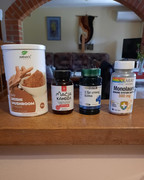
My antiviral stack—totally forgot to snap a photo of the Solgar Lysine 1g bottles.
So, Cat’s Claw is this plant originally from the Amazon rainforest and other tropical spots in Central and South America. People call it “uña de gato” in Spanish because the thorns on the vine look just like a cat’s claw. Using it for medicine goes way back to the Inca civilization—they used it to fight inflammation, tackle viral stuff, and give the immune system a boost. To this day, it’s still considered a sacred plant by various indigenous tribes in the Amazon and Peru. There was actually a review looking into the antiviral and immune-boosting properties of plants from the Peruvian rainforest that basically said: from an ethnobotanical standpoint, if a plant holds a high status with native people, it usually turns out to be incredibly potent medicinally.
Usually, Cat’s Claw is prepared by crushing the roots and the vine bark to make tea or standardized extracts. These extracts are packed with compounds that show they can modulate the immune system, plus they have antioxidant, cytoprotective, antihypertensive, and even antimutagenic properties.
Lab studies suggest that Cat’s Claw might kickstart the immune system, help relax smooth muscles—like in your gut—dilate blood vessels, and act as a diuretic. What's really interesting is that research suggests it could be a killer addition to Lyme protocols. In lab tests, Cat’s Claw extract actually reduced both the spirochetes and the rounded forms of the Lyme-carrying organism (*Borrelia burgdorferi*), while also breaking down and shrinking biofilms.
There was even a study involving 28 patients dealing with advanced Lyme that showed how much of a powerhouse this can be for managing the condition. Diagnosis was confirmed through clinical exams and the presence of IgG and IgM antibodies to *Borrelia burgdorferi*. Every single person in that group had been sick for over a decade, had been getting worse, and hadn't seen much relief even after long-term antibiotic use or multiple rounds of treatment.
A Review of Monolaurin and Lauric Acid: Natural Virucidal and Bactericidal Agents
https://www.liebertpub.com/doi/abs/1...ournalCode=actTHE HOLY GRAIL FOR LYME/EBV
Dealing with reactivated Epstein-Barr? Or maybe Lyme? If so, you need Monolaurin. Look, I could never fully kick Lyme, and let's face it, Epstein-Barr isn't exactly "curable." But Monolaurin has helped me coexist with both much better by dialing down the load and the symptoms. Just a heads up—it’ll definitely trigger a herx reaction, but once you push through that, it’s a massive help alongside my other anti-Lyme and EBV supplements.
mistyscout34 said:Jacob Lopez51, how much are you dropping on supplements every month? What's the deal with your liver and kidney numbers considering you're taking so much?
Every three months I’m looking at about $250—though if I grab everything from iHerb, I can probably get it under $200.
My last full physical went great—standard blood work and an ultrasound were all totally normal.
The only thing is my EBV antibodies flare up occasionally, but I just get those checked at a private lab.
I don't really sweat the liver or kidney stuff since I take NAC every single day... though I should probably scale back eventually.
But honestly, when you're fighting an attack from every direction, things start piling up. I don't think I've ever had such a massive stack just to cover all the bases—I'm dealing with small fiber neuropathy, fibro, EBV, Lyme, and all that good stuff.