Sarah Wells23 said: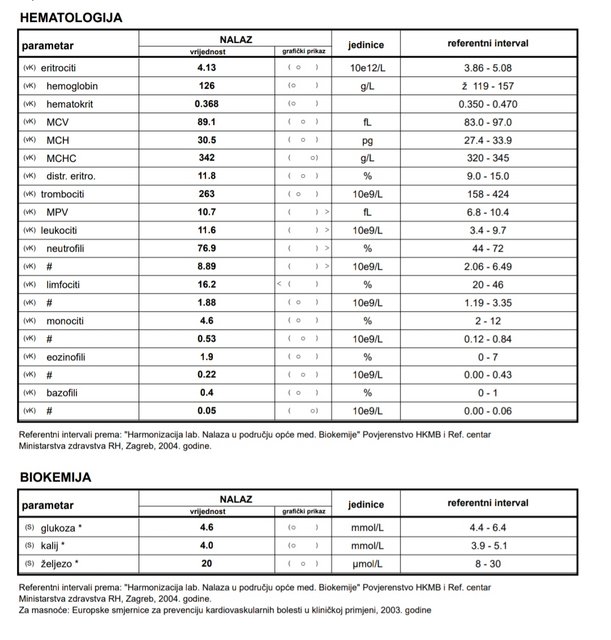
Ten weeks pregnant. No specific reason for running blood and urine tests other than standard prenatal monitoring, but some deviations have me worried. Are elevated white blood cell counts (specifically neutrophils) and low lymphocyte levels somewhat normal during pregnancy, or not?
My recent swab came back positive for ureaplasma 10 at a 4. I just wrapped up a course of Augmentin and Genoistina last week, but I’m still struggling. I've been dealing with daily dizziness, nausea, and a total loss of appetite. My iron levels are also a concern—they were sitting at 11 two months ago, and honestly, the only thing I've changed is eating more berries. On top of that, my blood pressure is low, around 90/50, and I'm facing heavy fatigue paired with insomnia.
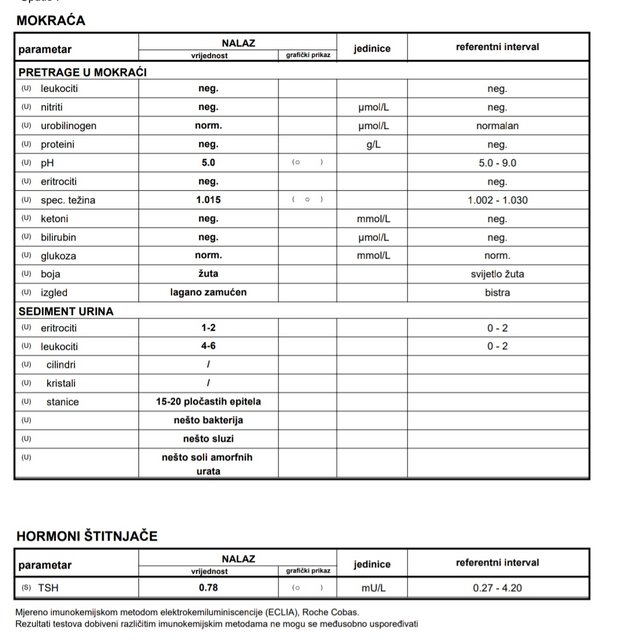
My urine culture came back clear just a month ago.
Even if the ureaplasma 10 count was low, could it still trigger a result like this?
TSH this low (it was around 1.20 before pregnancy)—is that cause for concern?
I had a soda right before my blood draw. 🤦 Would that hour before the blood draw affect my glucose levels, or can I be reasonably certain my sugar isn't dipping too low?
To whom it may concern,
Looking at these labs, there aren't any red flags if you factor in the pregnancy. It’s standard for certain values to shift during this time; what looks like an outlier for most women is actually quite normal when you're expecting.
It’s quite common to see elevated white blood cell counts during pregnancy, specifically driven by neutrophils, just like what you're experiencing. In the first trimester, the upper limit for leukocytes is typically around 13.6 x 10^9/L, with neutrophils reaching up to 10.1 x 10^9/L, even in the absence of an actual infection.
On the flip side, it’s pretty common for TSH to dip during pregnancy. That said, a reading of 0.78 mIU/L still sits firmly within the normal range.
As for the dizziness, nausea, insomnia, and those other symptoms you mentioned—I won't dive into that here. It would require significantly more data and a much broader battery of tests to make sense of them. Based on the findings presented so far, those issues don't seem to correlate with these specific results.