#1 ·
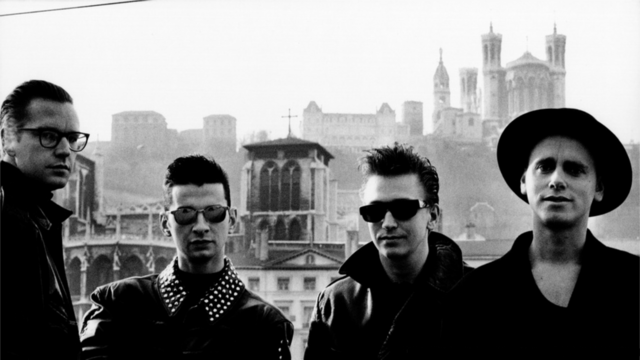
Hardcore fans saw it coming early on. They knew Depeche Mode had totally evolved from those bubbly new wave beginnings like "Just Can't Get Enough" back in the early 80s. Most casual listeners weren't really paying attention yet, though.
A lot of critics look at "Music for the Masses," which dropped in September 1987, as the big turning point. Between this record and that massive tour—which ended with that legendary show at the Rose Bowl Stadium in Pasadena—the band basically launched themselves into global superstardom. It’s been a wild ride of highs and lows ever since.
It’s easily one of the best examples of their golden era. Sound-wise, it sits right in that sweet spot between the darker, industrial-leaning vibes of "Black Celebration" and the polished mix of electronics and rock you hear on "Violator" in 1990.
As for the sound, they didn't ditch samples entirely, but they used them less. Instead, there was more experimentation from Alan Wilder, finding new ways to play with synths while bringing in more organic stuff like piano and electric guitar. People called it everything from stadium pop-rock to dramatic baroque rock opera.
Lyrically, Martin Gore is still digging into the dark side of life. He's obsessed with existential themes—things like broken trust, sadomasochism, intense highs followed by crushing lows, and a sense of nihilism. You also see a lot of imagery involving roads, driving, and traveling. (Sources: Albumism, AllMusic, Sputnik).
For the best experience, grab some high-quality headphones that support Dolby Stereo. 😁
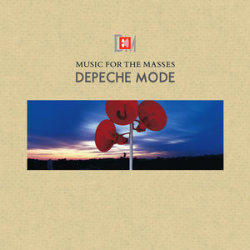
Tracklist:
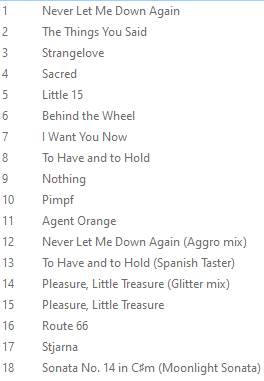
1. "Never Let Me Down Again"
2. "The Things You Said"
3. "Strangelove"
4. "Sacred"
5. "Little 15"
6. "Behind the Wheel"
7. "I Want You Now"
8. "To Have and to Hold"
9. "Nothing"
10. "Pimpf"
Discogs