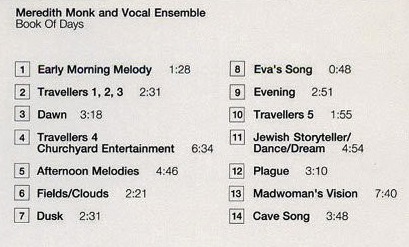
...And this was one of those CD gems I stumbled upon back in '98. It’s the perfect way to shake off the mental fog and stretch out those brain muscles during these lethargic, sweltering summer days.
Bingo. Herzog, Angelopoulos, and Tarr. I say that because I’ve been lucky enough to actually experience their work firsthand, not just watch them on a screen in some theater. They deal in a kind of madness—not true insanity, but art that most people simply fail to grasp (though they all approach it from wildly different angles). For them, aesthetics isn't just some garnish tossed on at the end; it’s baked into the very first line of the script. Most bureaucrats wouldn't get it, because these films aren't made in sterile studios—they happen on location. In the case of Tarr, even his partner—who handles the editing—is right there on set helping steer the ship. He even goes so far as to list Werckmeister... as having a crew of 7 or 8 camera operators.
Generally speaking, based on what I know of art history—reading between the lines—female artists in America about 150 years before the end of the 18th century were emancipated in a way we’d likely call "modern" today. It’s just that art historians conveniently failed to record it for opportunistic reasons. I don't think everyday life, in any vertical sense, was separated from the art world by some massive, impenetrable wall either. I don't get the impression that an ordinary maid would have to undergo the exact fate we see in this movie. Sophie feels like a sponge-like character designed to make us feel better about everything today. The most significant revolution in the West over the last 250 years didn't emerge from a vacuum, and it certainly wasn't just a reflection of the top tier of the social pyramid. It’s just that the characters don't reflect that enough. Sciamma is projecting her 2010s self through characters from the 1780s. But she didn't invent that approach; it's conditioned, learned. It's a typical stance of artists who aren't allowed to go far enough because it hurts. Take, for example, Jarmanov Caravaggio, which might be his worst film. You can maybe forgive him only because he made it at the height of the AIDS crisis. Here, it feels like I'm watching transformed diary entries from Sciamma’s adolescence, which would have been the 1990s. The world has changed since then. I would have preferred if the film were truly about art—about inspiration and crisis—but that ends up feeling almost secondary. And that fire motif is pointless on first glance; instead of the internal fire of creation being more convincingly expressed. For instance, there isn't enough music in the film. That's why the ending is actually good, even if that vocal theme isn't bad either. Toward the end, I wondered what a brilliant but incredibly foul-mouthed Diamanda Galás would say about all this. Her views on the depiction of homosexuality in art, drawn from her interviews, are simultaneously hilarious vulgarity and absolute truth. Not to mention how brutal yet virtuoso her artistic works are, in several respects. This is exquisite to me, and true subtlety lies in balancing on the edge. Still, not bad, in an aesthetic sense.
P.S. I know, there's a slight contradiction in some terms, but I'm not a literary type, so there you go.
Man... When you talk about "soul," I can't help but think back to my old vinyl copy of "Anam" by Clannad. It’s such an easy listen—it just gently pulls you through the past, present, and future of the Emerald Isle. It manages to sound both timeless and distinctly 1990, right when it dropped. That kind of layered subtlety? It’s exactly what’s missing from Sciamma's work. The album title translates to "soul" or "spirit," and the opening track—this beautiful piece right here—means "king of the universe."
It’s got a decent spot, very much in the style of Mandic, though it avoids being provocative. Huge quote from the film: "We didn't choose German; German chose us." Clever. If only Adele could actually speak German—her father's language—like she's supposed to... But whatever...
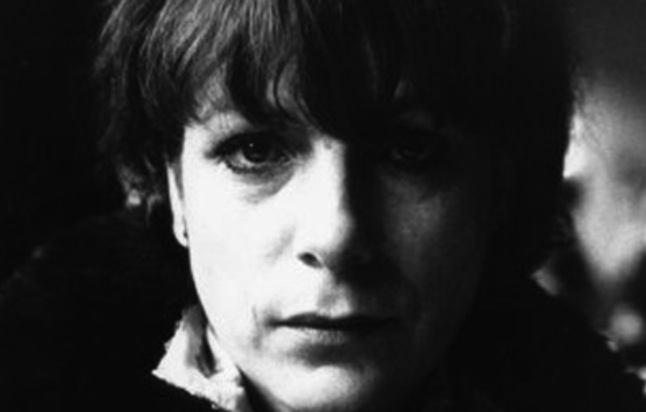
Still, the ...jeune fille... part features the best this scene. An absolutely brilliant performance of monumental Vivaldi; seeing just Haenel's face in the dark works so well together it'll give you chills. It’s a shame that nearly half the movie feels like a series of head-clobbering theses—partly PC, partly non-PC—that don't belong in the 18th century. Honestly, they don't belong in the 21st century either. Even so, the camerawork and atmosphere are extraordinary, almost Herzog-esque. And then there's that German again... hmm...
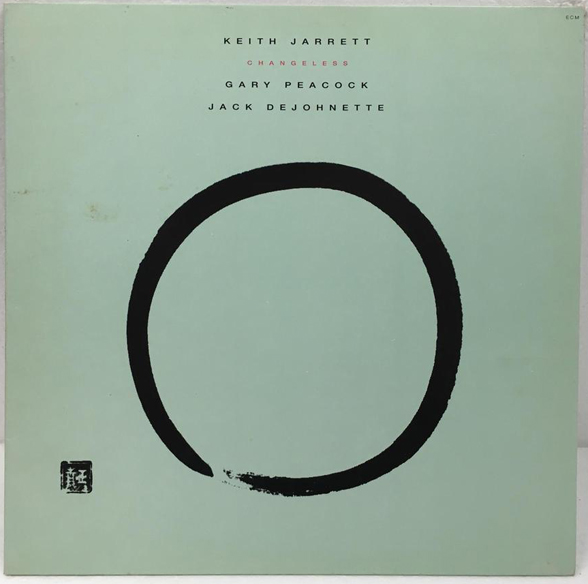
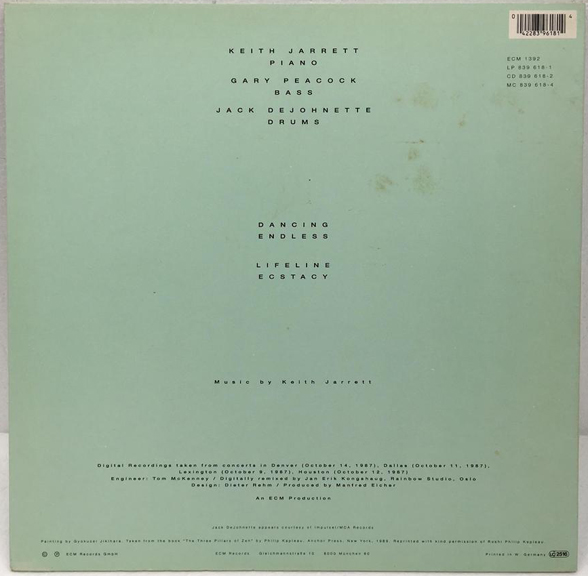
I want to give a quick shout-out to V. B. He sold me a massive crate of vinyl about 21 years ago—included about 15 Blue Note releases in the mix, among them this incredible album. Man, what a discovery that turned out to be...
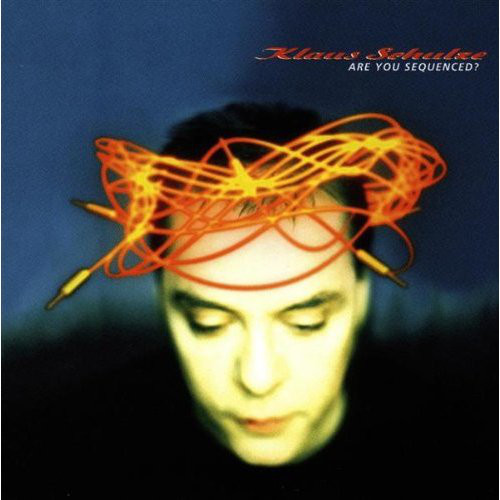
This album is solid—genuinely impressive at times. I’ll admit, I first spun this back in '99 when I was twenty, right in that prime college-age window. I also have to confess that, personally, I've never been a huge fan of music that leans this heavily into pure depression paired with such a slow tempo.
So, a quick little OT...
When it comes to Swans, what really hits home for me are these two things. Generally speaking, they nailed the dynamics on those two "rabbit" albums. Plus, the box set cover art for them is brilliantly conceived and executed:
Some might dismiss this as just more 60s Brill Building bubblegum pop. They probably aren't wrong. But seven years ago, this relatively obscure singer-songwriter with her grand piano somehow became part of my life—hit me hard with her best collection of confessions. Back then, I was listening on vinyl, though these days I don't touch the stuff for various reasons. Still, I find myself returning to this record constantly. Aimless little stories. Anecdotes. Inventing new words. Is it poetry?
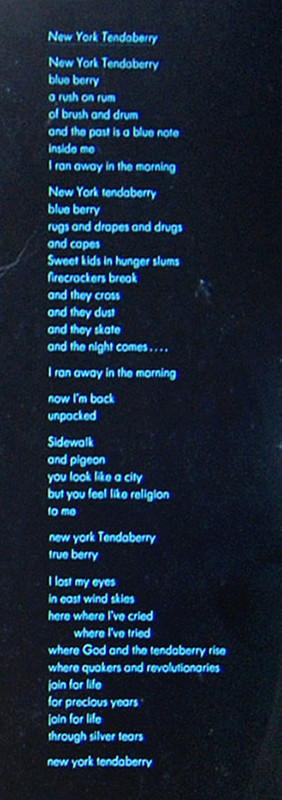
New York Tendaberry(Laura Nyro)
New York Tendaberry blue berry a rush on rum of brush and drum and the past is a blue note inside me I ran away in the morning
New York tendaberry blue berry rugs and drapes and drugs and capes Sweet kids in hunger slums firecrackers break and they cross and they dust and they skate and the night comes….
I ran away in the morning
now I'm back unpacked
Sidewalk and pigeon you look like a city but you feel like religion to me
new york Tendaberry true berry
I lost my eyes in east wind skies here where I've cried ____where I've tried where God and the tendaberry rise where quakers and revolutionaries join for life for precious years join for life through silver tears
Even Bierbichler’s voice—and Hias’s too... "Yeah, and then they set off, pathetic and aimless, in a boat that's far too small." Pair that with the timeless sounds of Dijon played by the Binkley ensemble, all projected on that massive screen...
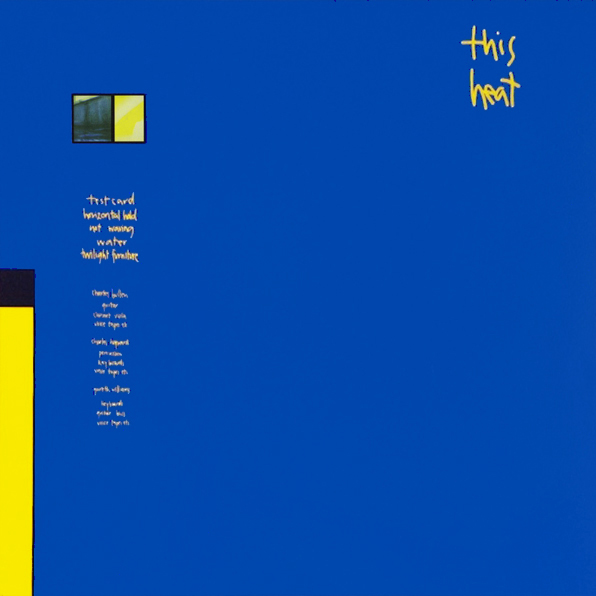
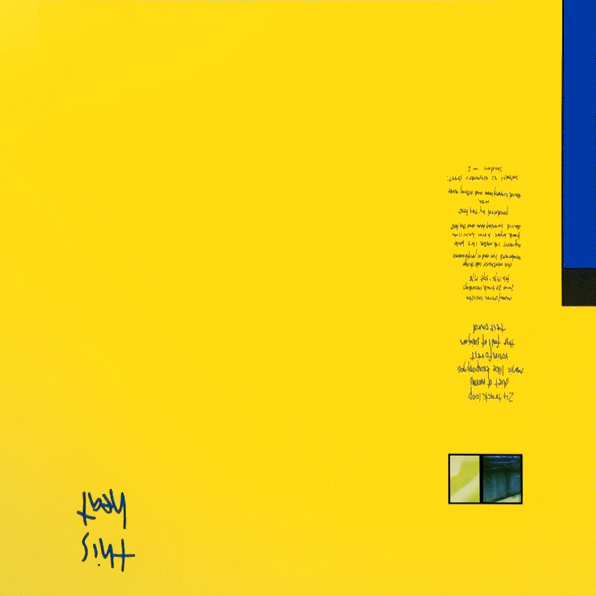
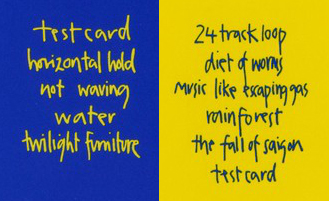
:format(jpeg):mode_rgb():quality(90)/discogs-images/R-7875905-1450696267-9365.jpeg.jpg)
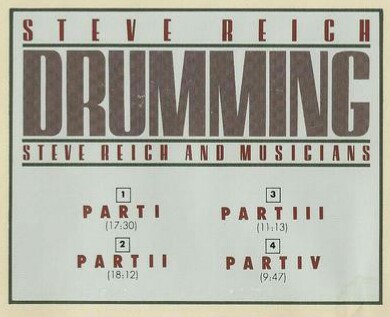
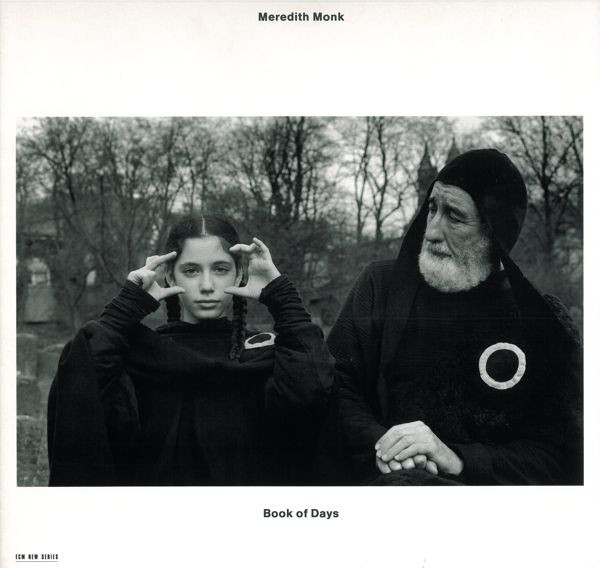
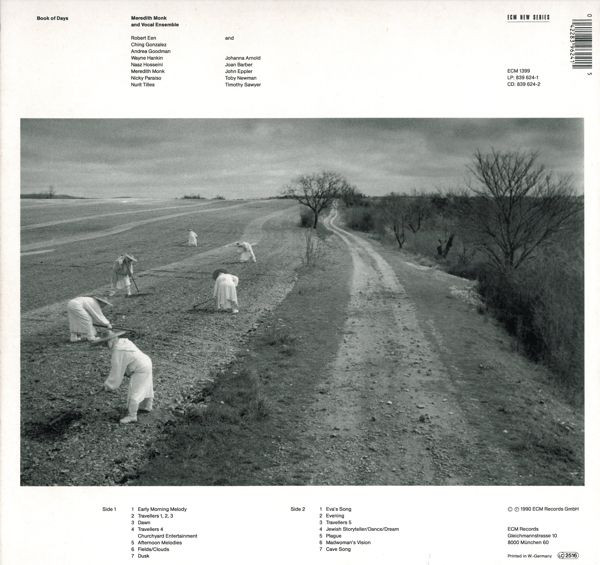

:format(jpeg):mode_rgb():quality(90)/discogs-images/R-877424-1464717369-3207.jpeg.jpg)


:format(jpeg):mode_rgb():quality(40)/discogs-images/R-164177-1175626332.jpeg.jpg)
:format(jpeg):mode_rgb():quality(40)/discogs-images/R-1589367-1477651412-4374.jpeg.jpg)